Troubleshooting guide
Why Is My Rice Mushy? How to Fix It
The common reasons rice turns out mushy or gluey — and how to get separate, fluffy grains every time.
Too much water or too much heat
Mushy rice usually means it absorbed more water than it could hold, or it cooked too hard and too long. Measure the liquid to the ratio for your rice, and keep the simmer gentle once the lid is on rather than at a rolling boil.
Different rices need different amounts of water. Swapping the type without changing the liquid is a common cause of a gummy pot.
- Measure the water-to-rice ratio rather than eyeballing it.
- Simmer gently with a tight lid; do not boil hard.
- Rinse most white rice first to wash off surface starch.
Stirring and resting
Stirring rice while it cooks rubs out starch and makes it sticky and gluey, so leave covered rice alone once it is simmering. Lifting the lid to peek lets out the steam that cooks the grains evenly.
When the timer is up, let the rice rest off the heat, still covered, for about ten minutes. This finishes the grains gently and firms them up. Fluff with a fork, not a spoon, to keep them separate.
Put the method into practice
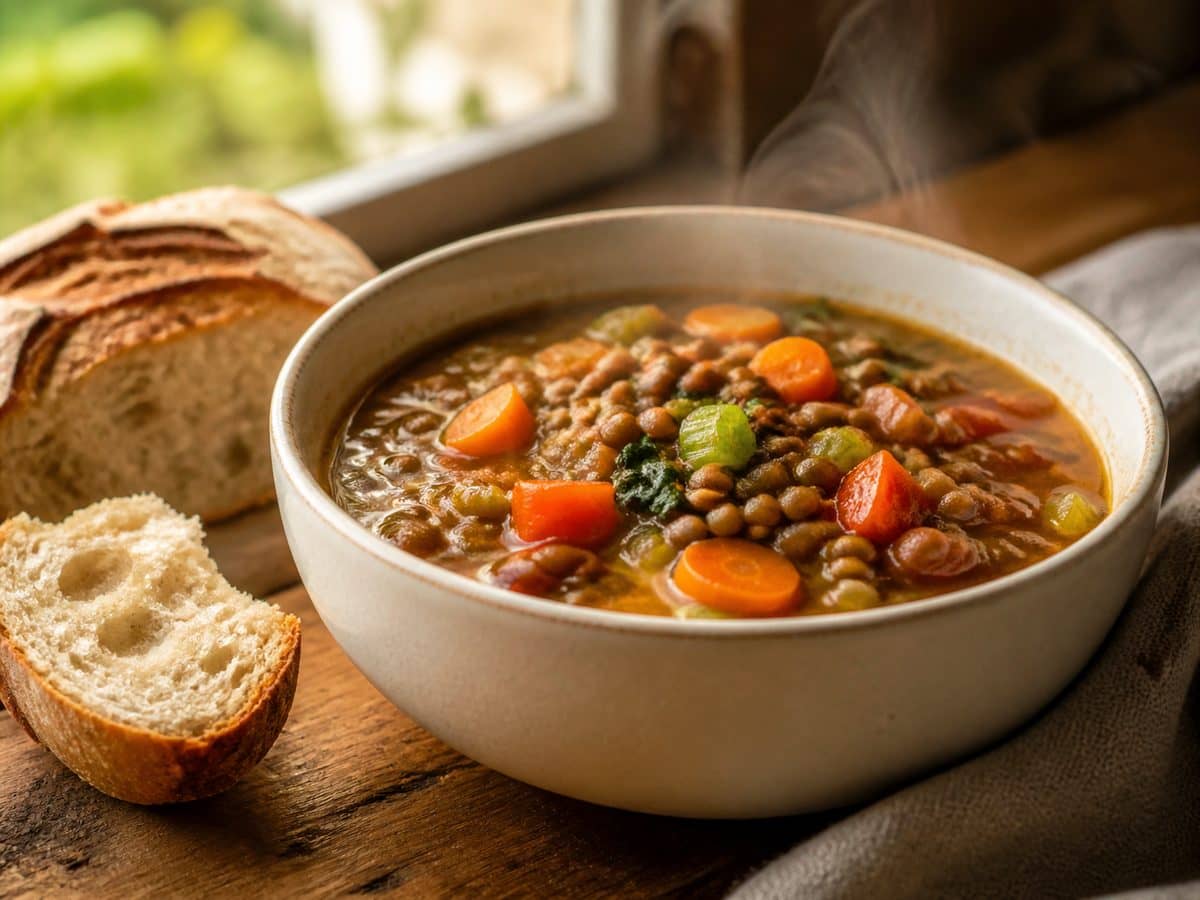
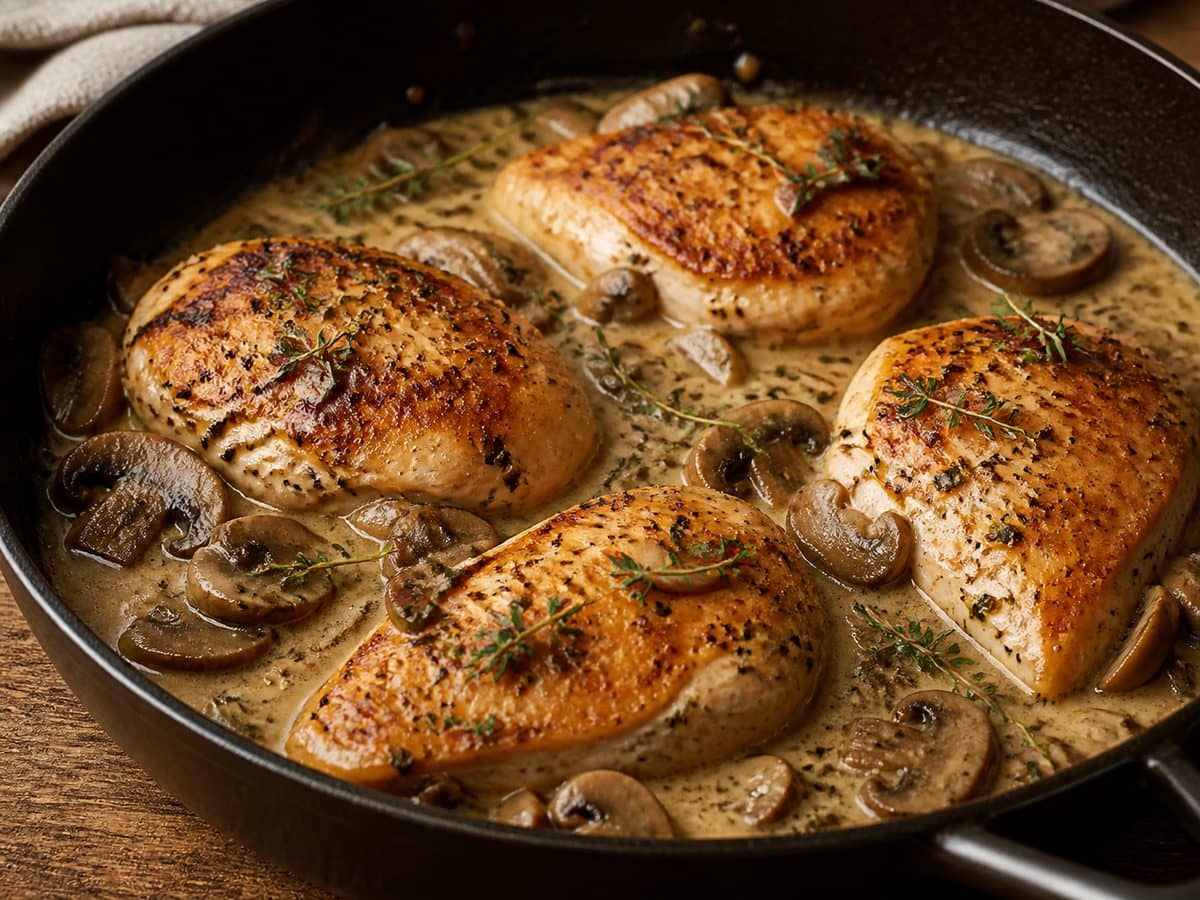
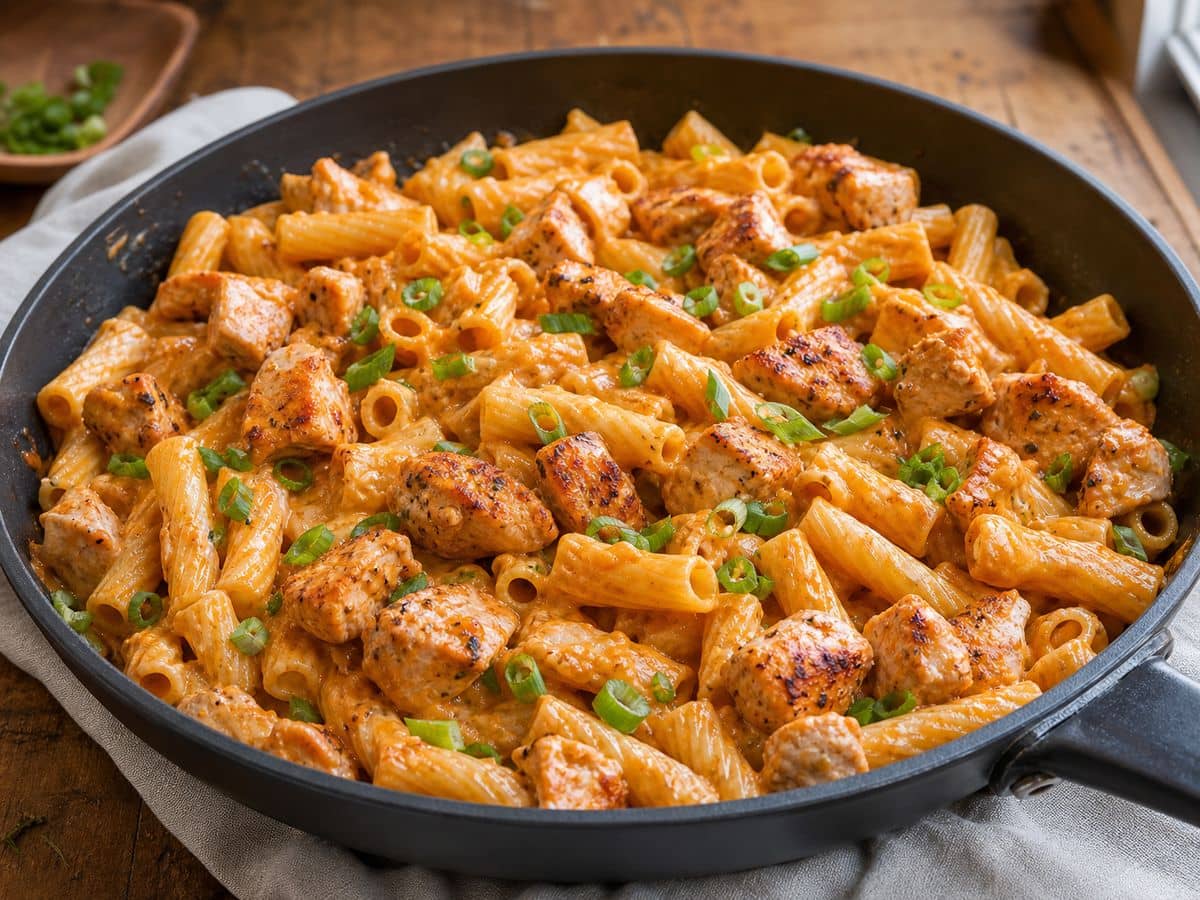
Recipes that use the techniques in this guide.

Food safety & sources
Cook and store with confidence
The cooking temperatures and storage guidance in our recipes and guides follow official U.S. government food-safety standards. Always confirm doneness with a food thermometer rather than by color or time alone.
- Safe minimum internal temperatures — U.S. Department of Health & Human Services, FoodSafety.gov
- Cold food storage chart — U.S. Department of Health & Human Services, FoodSafety.gov