Less-cleanup guide
The One-Pot Dinner Method
How to manage liquid, starch, heat, and timing so one-pot pasta and rice dinners cook evenly instead of turning dry or mushy.
One pot does not mean one timing
The ingredients share cookware, but they should not all enter at once. Brown meat first, move it aside if necessary, then soften aromatics. Toasting rice or pasta briefly in the seasoned fat helps distribute flavor before liquid is added.
Quick vegetables belong near the end, while dense vegetables need a head start. Dairy and cheese are usually finishing ingredients. This staged approach keeps a one-pot meal convenient without sacrificing texture.
Treat the liquid ratio as part of the recipe
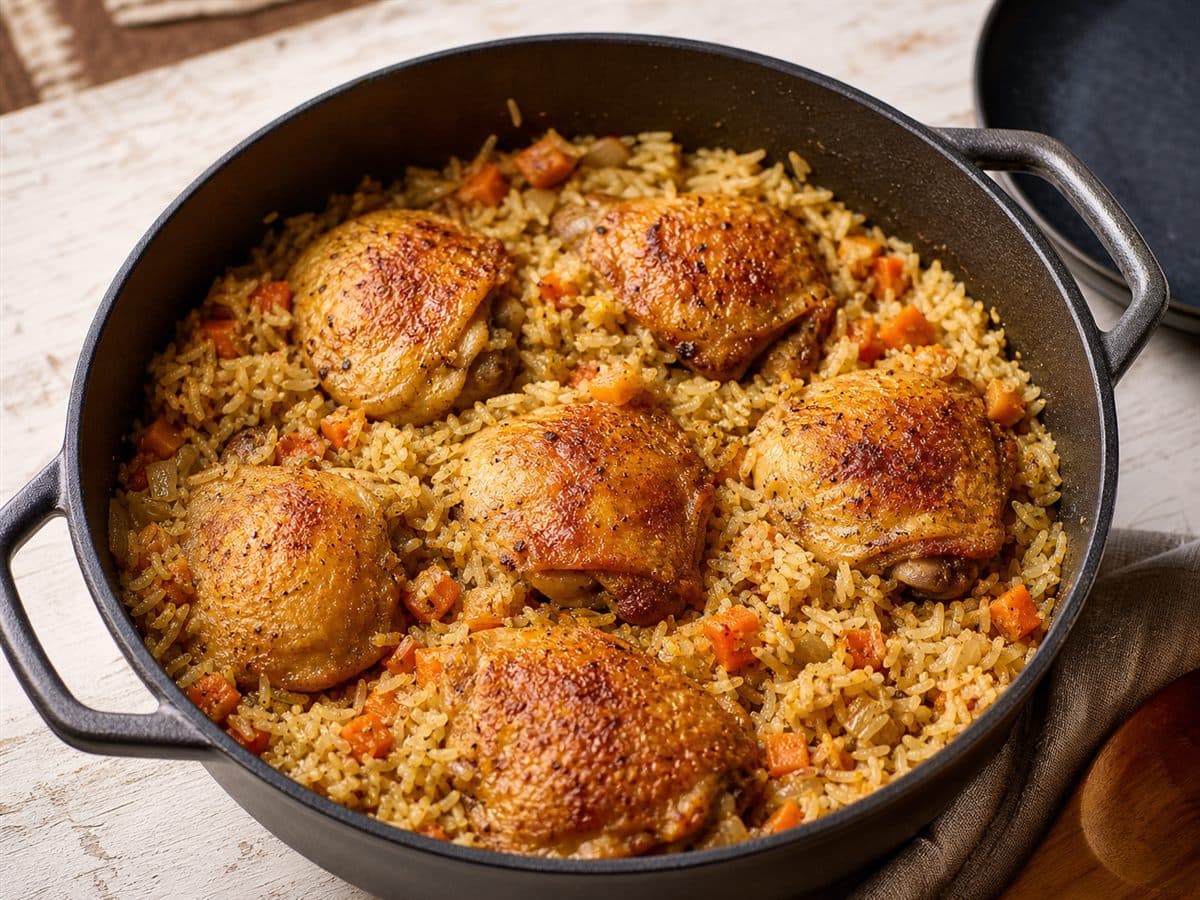
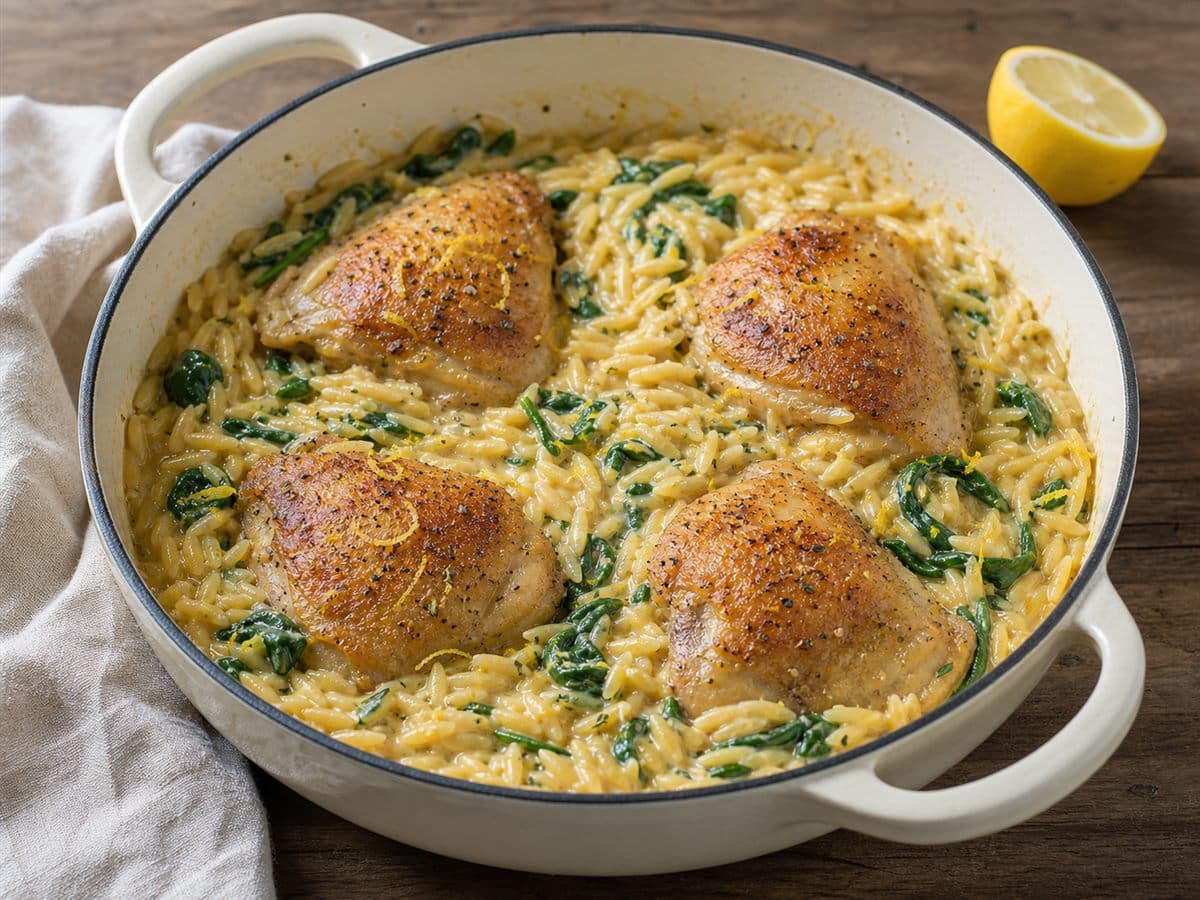
Rice, orzo, egg noodles, and macaroni absorb different amounts of liquid. Changing the starch without changing the recipe often produces either a dry pan or a soupy result. Start with the specified type and keep a little warm broth nearby for small corrections.
The shape of the pan matters too. A wide skillet evaporates faster than a narrow Dutch oven. Keep the simmer gentle, use a tight lid when the recipe depends on steam, and check early rather than replacing lost liquid all at once.
- Add extra broth in small measured amounts.
- Do not repeatedly lift the lid while rice steams.
- Stir pasta enough to prevent sticking, but avoid stirring covered rice.
Know when to stop cooking
Starchy dinners continue changing after the burner is off. Noodles absorb sauce, rice finishes steaming, and cheese sauces thicken. Stop when the starch is just tender and the sauce looks slightly looser than the final texture you want.
A five-minute rest can fix a loose skillet. It cannot reliably rescue scorched milk or badly overcooked pasta, which is why moderate heat and early checks matter.
Reheat without losing the sauce
Refrigerated starch absorbs surrounding moisture. Reheat covered over low heat with a splash of broth, water, or milk chosen to match the original sauce. Stir gently and add more liquid only after the first addition is absorbed.
Cool leftovers promptly and refrigerate them in shallow containers. Rice and meat dishes should be reheated until steaming throughout, not merely warm around the edges.
Put the method into practice
Recipes that use the techniques in this guide.