Storage guide
Can You Freeze Soup? What Works and What Doesn't
A practical guide to freezing soups and stews — which ones freeze beautifully, which need a tweak, and how to thaw and reheat them.
Most soups freeze very well
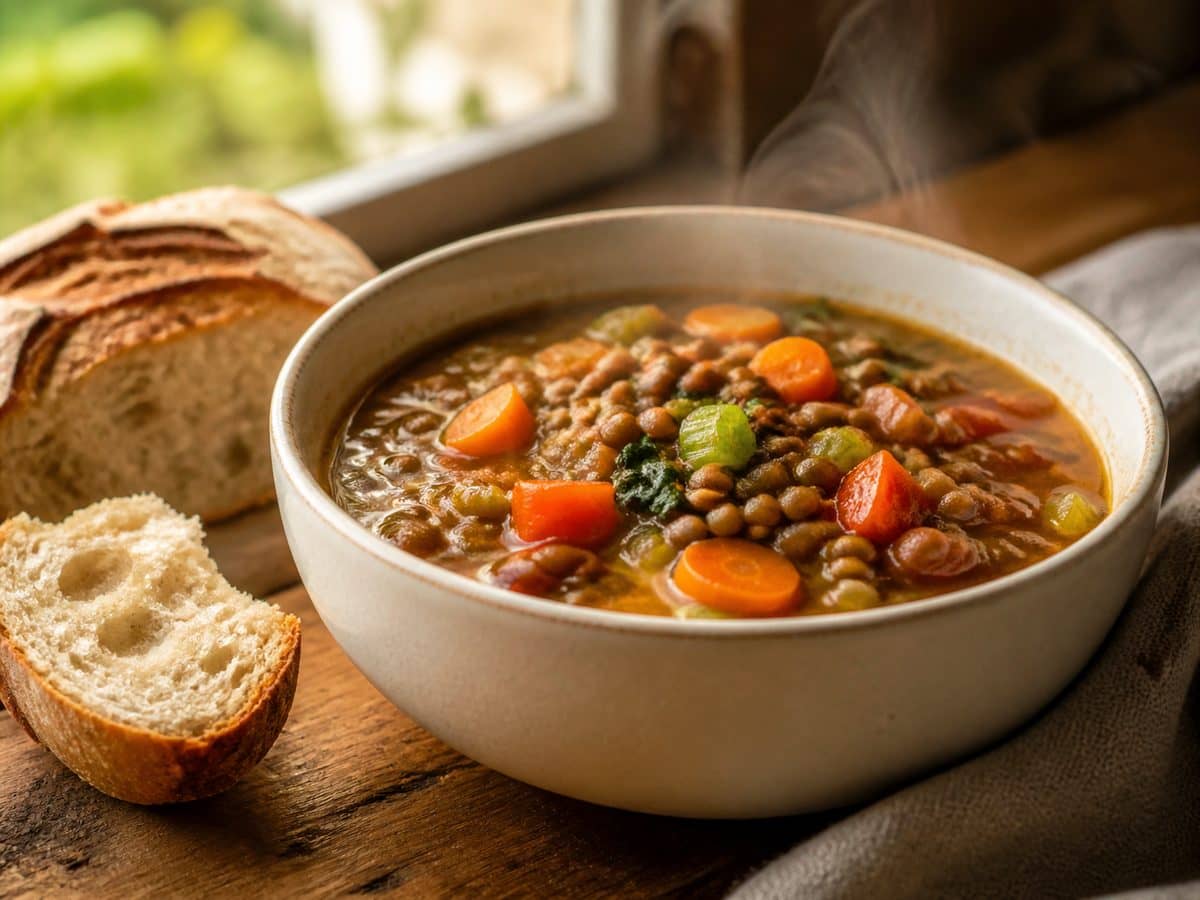
Broth-based and tomato soups, bean soups, chili, and most vegetable stews freeze beautifully for up to about three months. Cool the soup first, then ladle it into airtight containers or freezer bags, leaving an inch of space at the top because liquid expands as it freezes.
Freezing in single or family-size portions means you can thaw only what you need instead of the whole pot.
- Leave headspace — liquids expand when frozen.
- Label with the name and date; use within three months.
- Freeze flat in bags to save space and thaw faster.
The ones that need a tweak
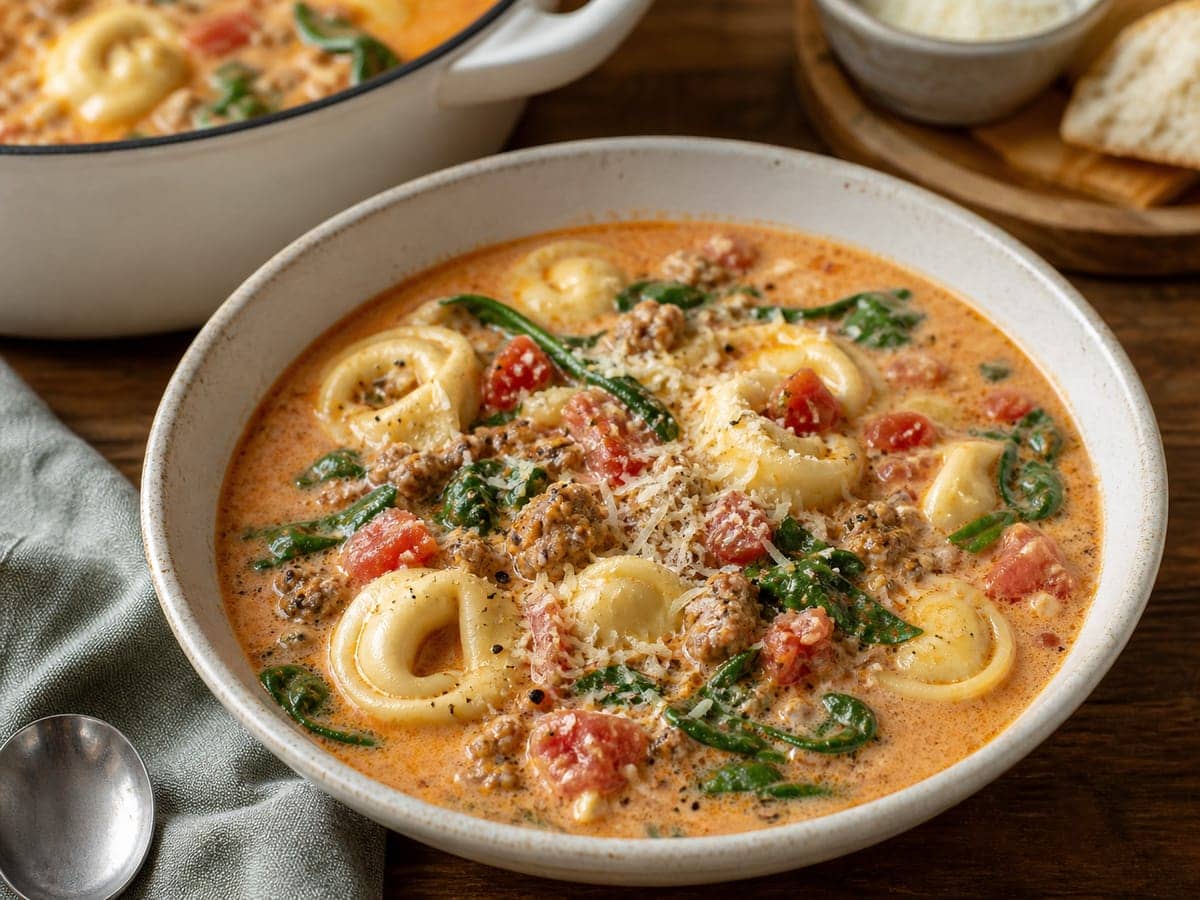
Cream- and dairy-heavy soups can separate or turn grainy after freezing, and potatoes can go mealy. The fix is to freeze the soup base without the dairy and stir in the cream, milk, or cheese fresh when you reheat it.
Pasta and rice keep softening in the freezer and on reheating. For the best texture, freeze the soup without them and add freshly cooked pasta or rice when you serve.
Thaw and reheat
Thaw soup overnight in the refrigerator, or reheat it gently straight from frozen over low heat, stirring so it does not scorch on the bottom. Bring it up to a full, steaming simmer before serving.
Put the method into practice
Recipes that use the techniques in this guide.


Food safety & sources
Cook and store with confidence
The cooking temperatures and storage guidance in our recipes and guides follow official U.S. government food-safety standards. Always confirm doneness with a food thermometer rather than by color or time alone.
- Safe minimum internal temperatures — U.S. Department of Health & Human Services, FoodSafety.gov
- Cold food storage chart — U.S. Department of Health & Human Services, FoodSafety.gov