Troubleshooting guide
Why Is My Chicken Dry? Common Causes and Fixes
The real reasons chicken breast turns out dry — and the simple fixes for juicy, tender results every time.
Overcooking is the number one cause
Chicken breast goes from juicy to dry in a matter of a few degrees. Cook it to 165°F at the thickest point and pull it right away; color and time are unreliable on their own. An instant-read thermometer is the single biggest upgrade to your chicken.
Remember carryover cooking: the temperature keeps climbing a few degrees after the chicken leaves the heat, so removing it a touch early and resting it is part of the plan, not a shortcut.
Uneven thickness cooks unevenly
A whole breast is thick at one end and thin at the other, so the thin tip overcooks before the center is done. Slice large breasts into cutlets or pound them to an even thickness so the whole piece finishes at the same moment.
- Aim for an even 1/2- to 3/4-inch thickness.
- Salt the chicken ahead of time — even 15 minutes helps it hold moisture.
- Rest cooked chicken 5 minutes before slicing so juices stay in the meat.
Not enough fat or a too-hot dry pan
Lean breast benefits from a light coat of oil and a sauce to finish. If you sear on very high heat with a dry pan, the outside dries and toughens before the center is ready. Brown on medium-high, then lower the heat to finish gently.
Put the method into practice
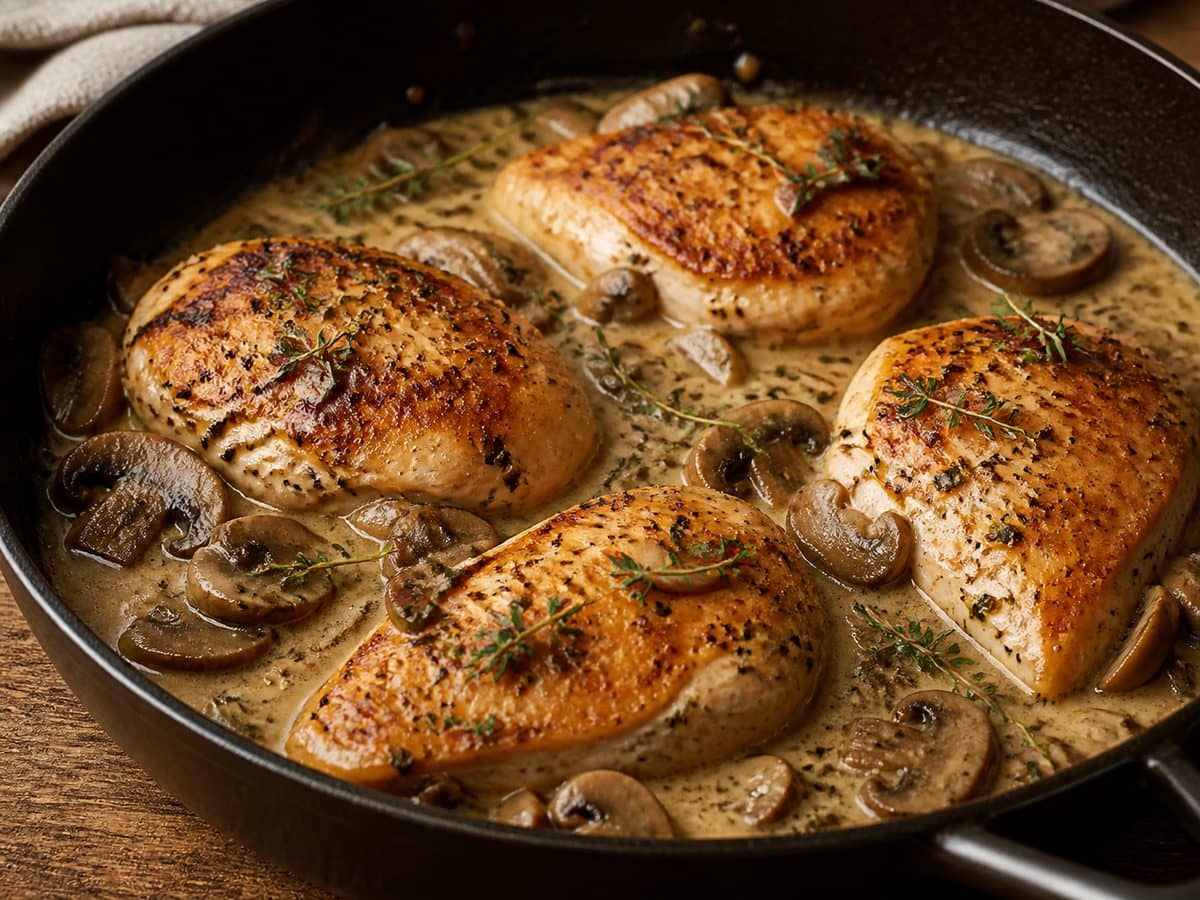
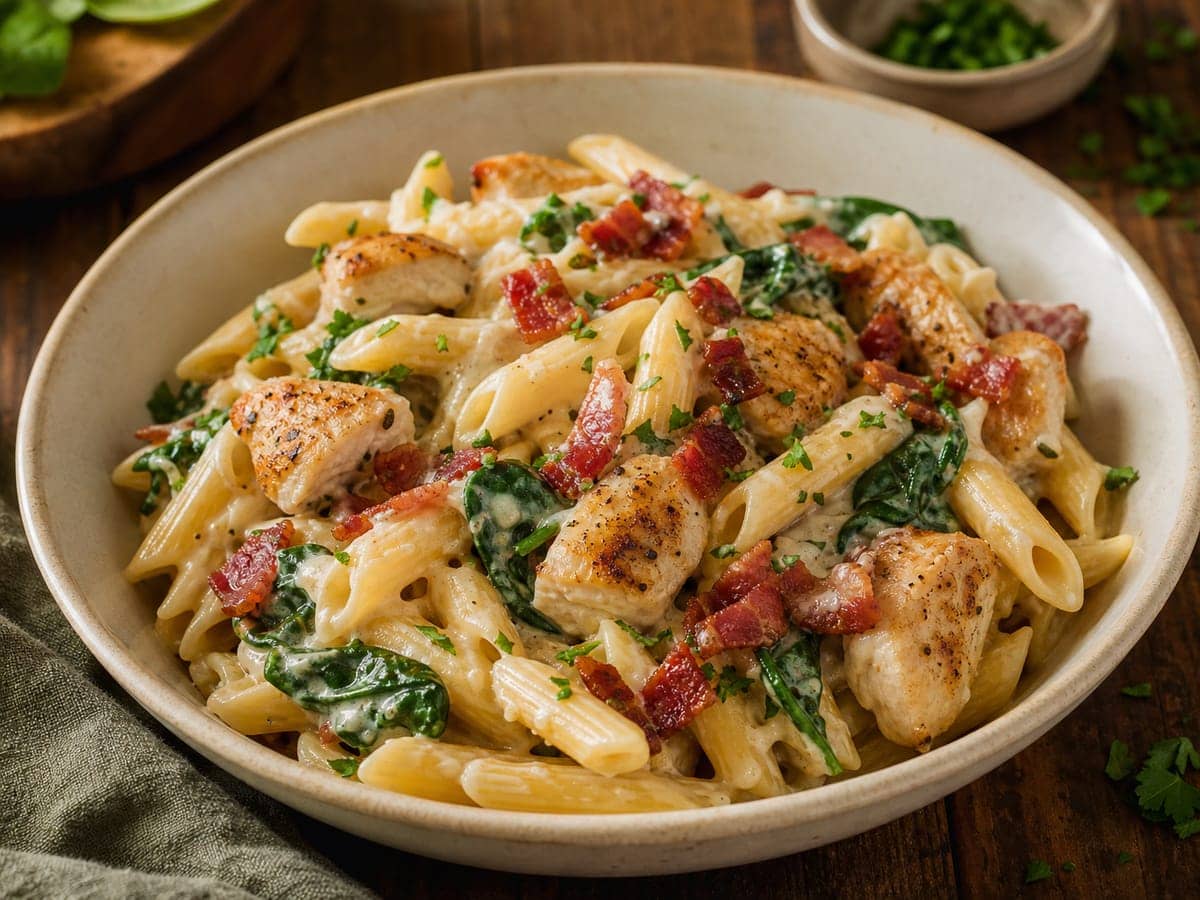
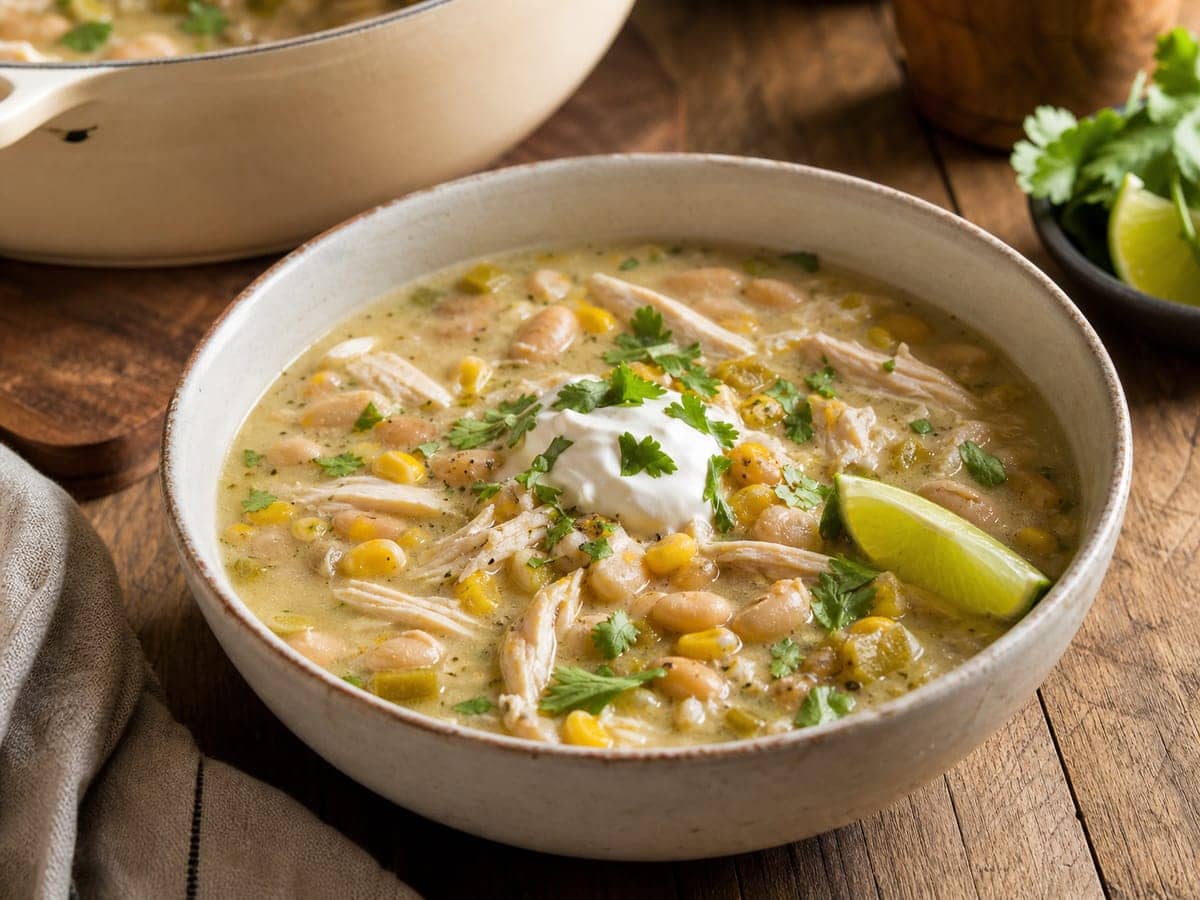
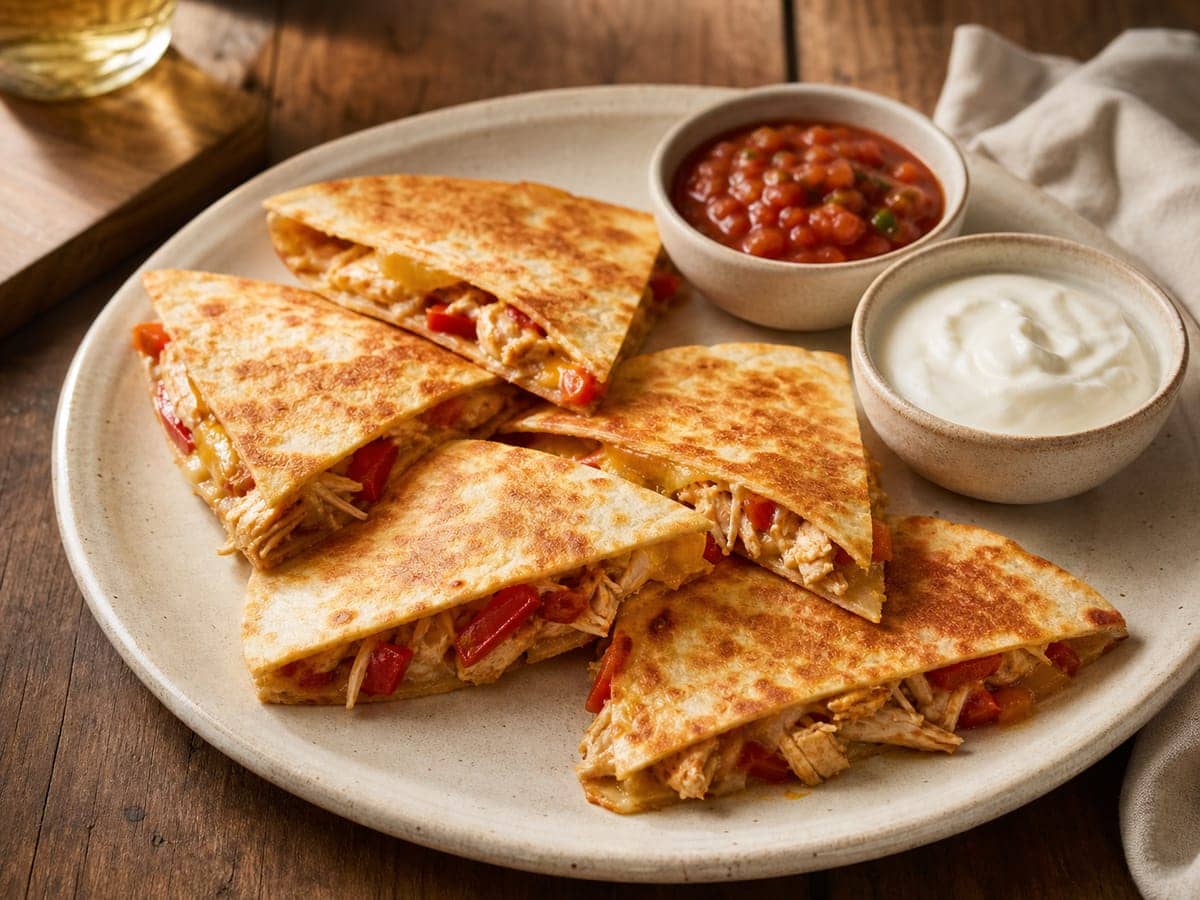
Recipes that use the techniques in this guide.
Food safety & sources
Cook and store with confidence
The cooking temperatures and storage guidance in our recipes and guides follow official U.S. government food-safety standards. Always confirm doneness with a food thermometer rather than by color or time alone.
- Safe minimum internal temperatures — U.S. Department of Health & Human Services, FoodSafety.gov
- Cold food storage chart — U.S. Department of Health & Human Services, FoodSafety.gov