One-pot pasta guide
One-Pot Pasta That Is Creamy, Not Mushy
How to control pan size, liquid, stirring, dairy, and carryover cooking in dependable one-pot pasta dinners.
Match the pasta to the pan
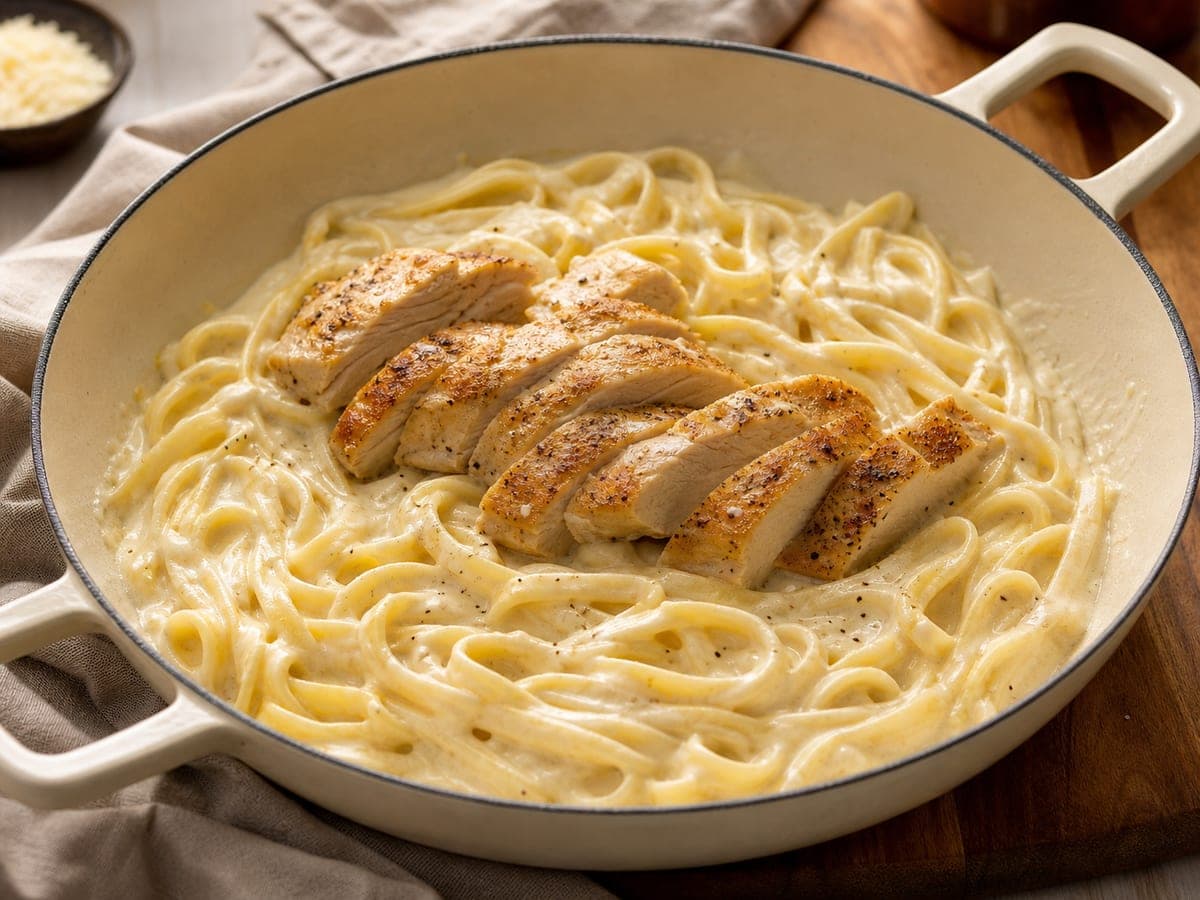
Short pasta is easiest in a wide skillet because it stays below the liquid and can be stirred evenly. Long noodles need a wide pan, frequent turning, or a clean break in half so the submerged ends do not overcook first.
Use the pasta shape named in the recipe for the first attempt. Different shapes and brands absorb at different rates.
Correct liquid in small amounts
Begin with the measured liquid and maintain a gentle simmer. A wide pan or strong burner may evaporate faster, so keep warm broth or milk nearby and add it a few tablespoons at a time.
The pan should look slightly looser than the final sauce when the pasta becomes tender. Starch continues absorbing moisture after the heat is turned off.
- Stir pasta often enough to prevent sticking.
- Add cold dairy gradually so the simmer does not stop.
- Do not flood a nearly finished pan with extra liquid.
Finish cheese away from boiling heat
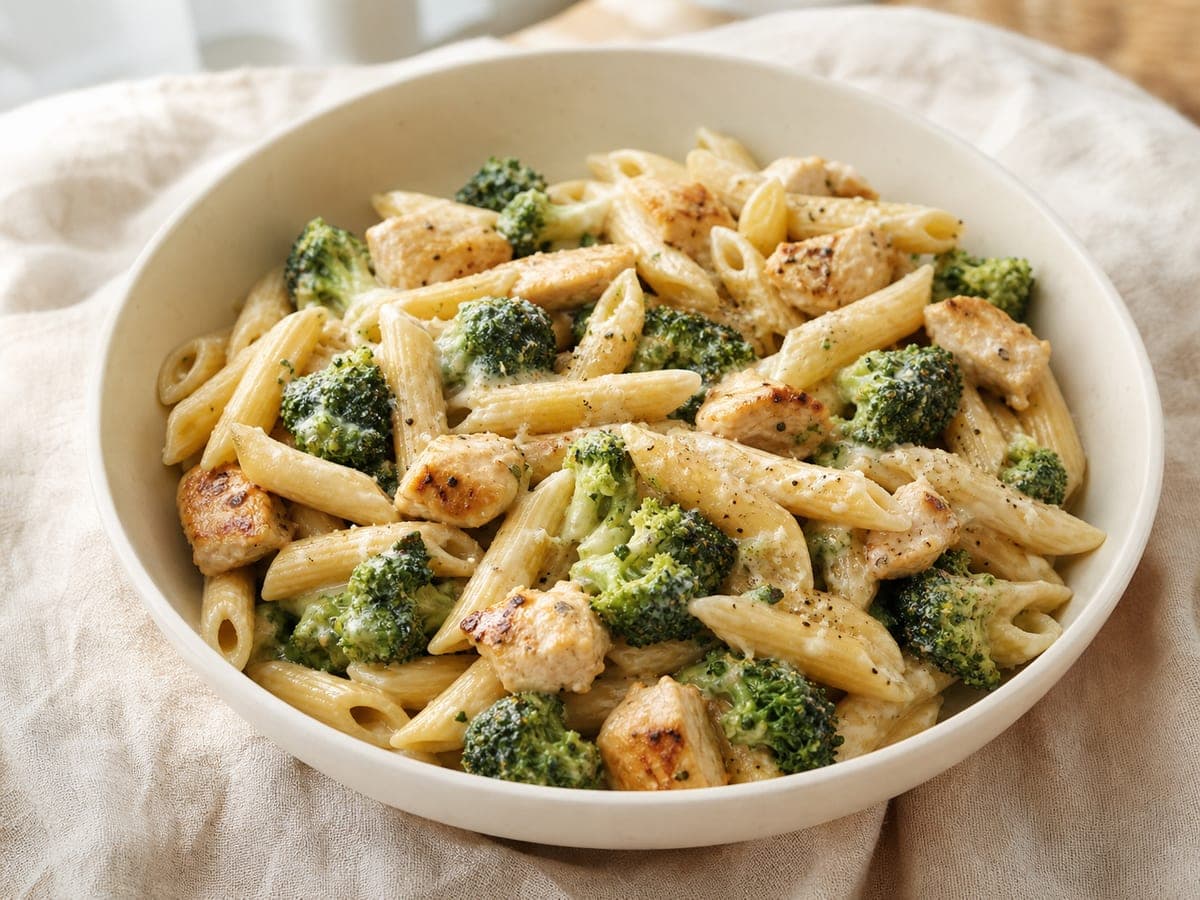
Hard cheese becomes grainy when its proteins tighten over aggressive heat. Remove the pan from the burner and stir finely grated cheese in gradually.
If the sauce tightens, loosen it with warm liquid rather than returning it to a hard boil. Serve promptly and use the same low-heat approach for leftovers.
Put the method into practice
Recipes that use the techniques in this guide.