Chicken technique guide
How to Keep Chicken Breast Juicy
A practical guide to even thickness, salt, pan heat, temperature, and resting so weeknight chicken breast stays tender.
Fix uneven thickness before cooking
A whole chicken breast is usually thin at one end and thick at the other. Left as-is, the narrow tip overcooks before the center is safe. Slice large breasts horizontally into cutlets or pound them gently to an even thickness.
Pat the surface dry before seasoning. Surface moisture turns the first minutes in the pan into steaming time and delays browning.
- Aim for an even 1/2- to 3/4-inch thickness.
- Season both sides, including the edges.
- Keep raw-chicken tools separate from ready-to-eat food.
Use browning heat, then finishing heat
Start with a properly heated skillet and enough oil to coat it lightly. Once the first side is browned, turn the heat down so the center can finish without burning the exterior.
For a sauce recipe, the chicken can finish at a quiet simmer after the sauce is built. Avoid a hard boil, especially when cream or cheese is present.
Measure doneness and allow a rest
Color and cooking time are clues, not guarantees. Check the thickest point with an instant-read thermometer and cook poultry to 165°F. Remove it promptly instead of adding several insurance minutes.
Rest chicken for five minutes before slicing. Cutting immediately releases hot juices onto the board instead of keeping them in the meat.
Put the method into practice
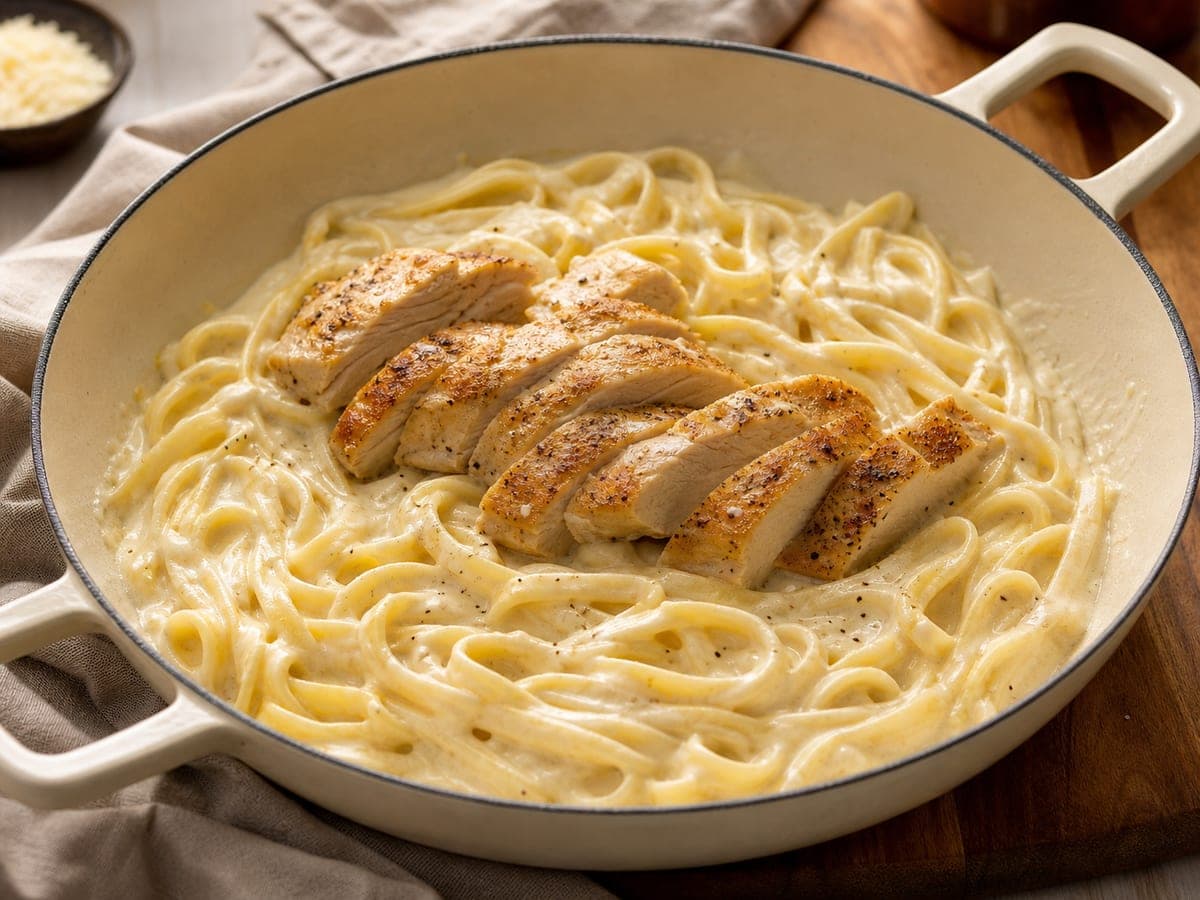
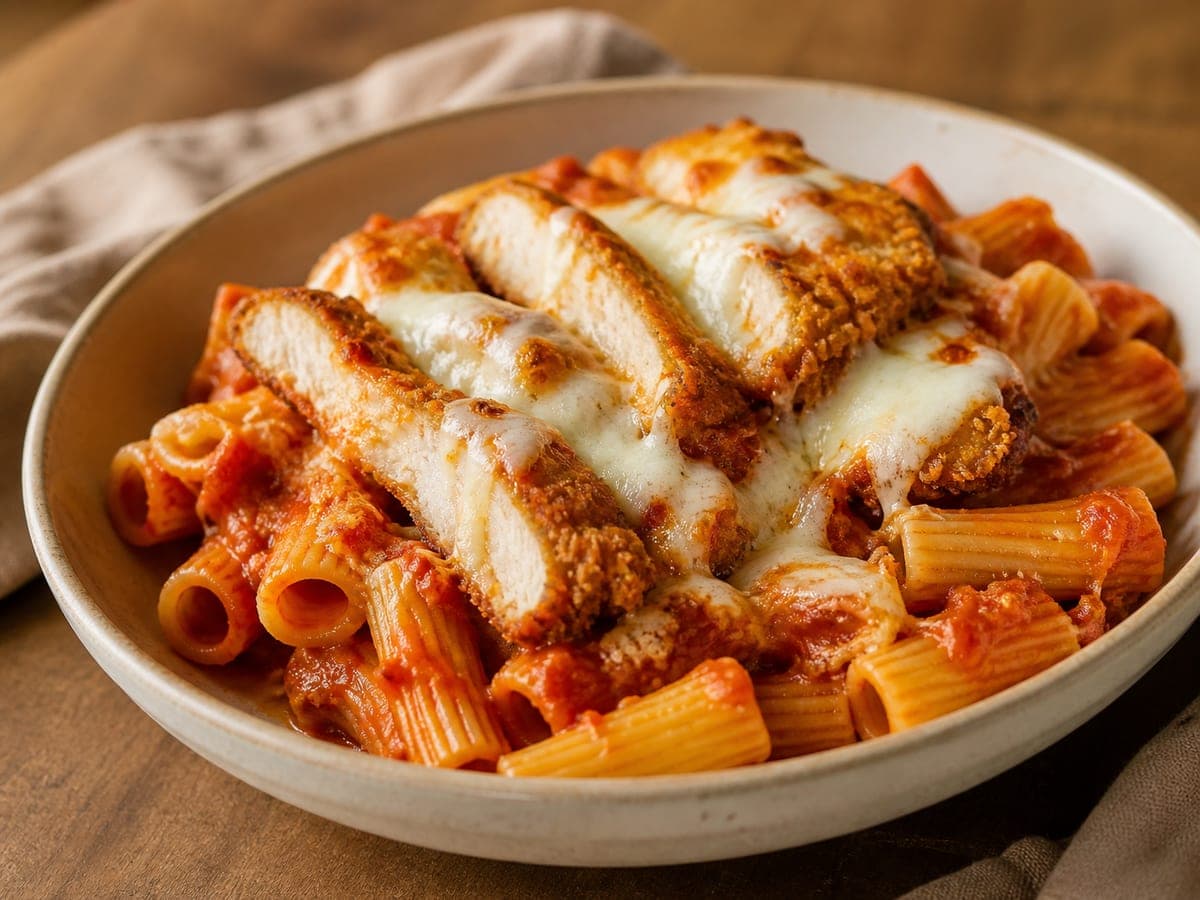
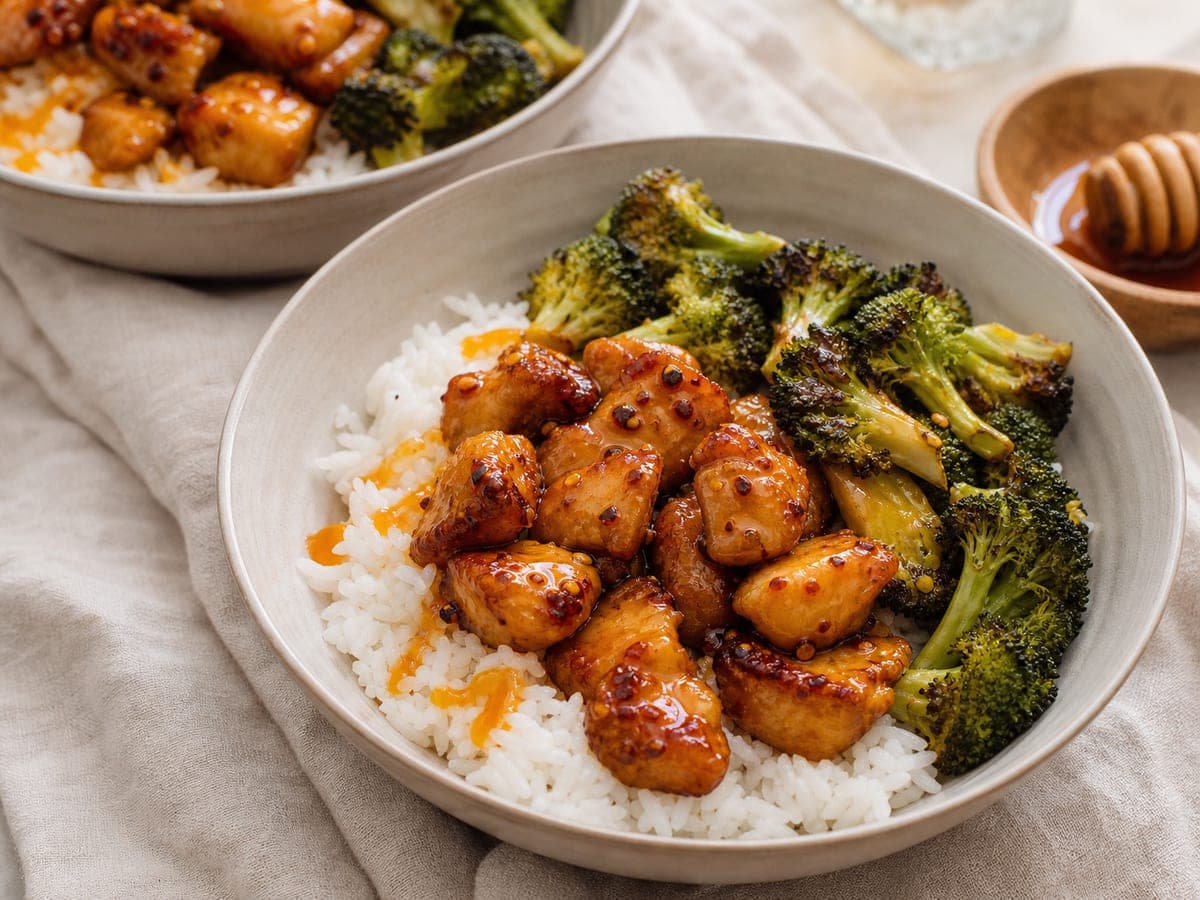
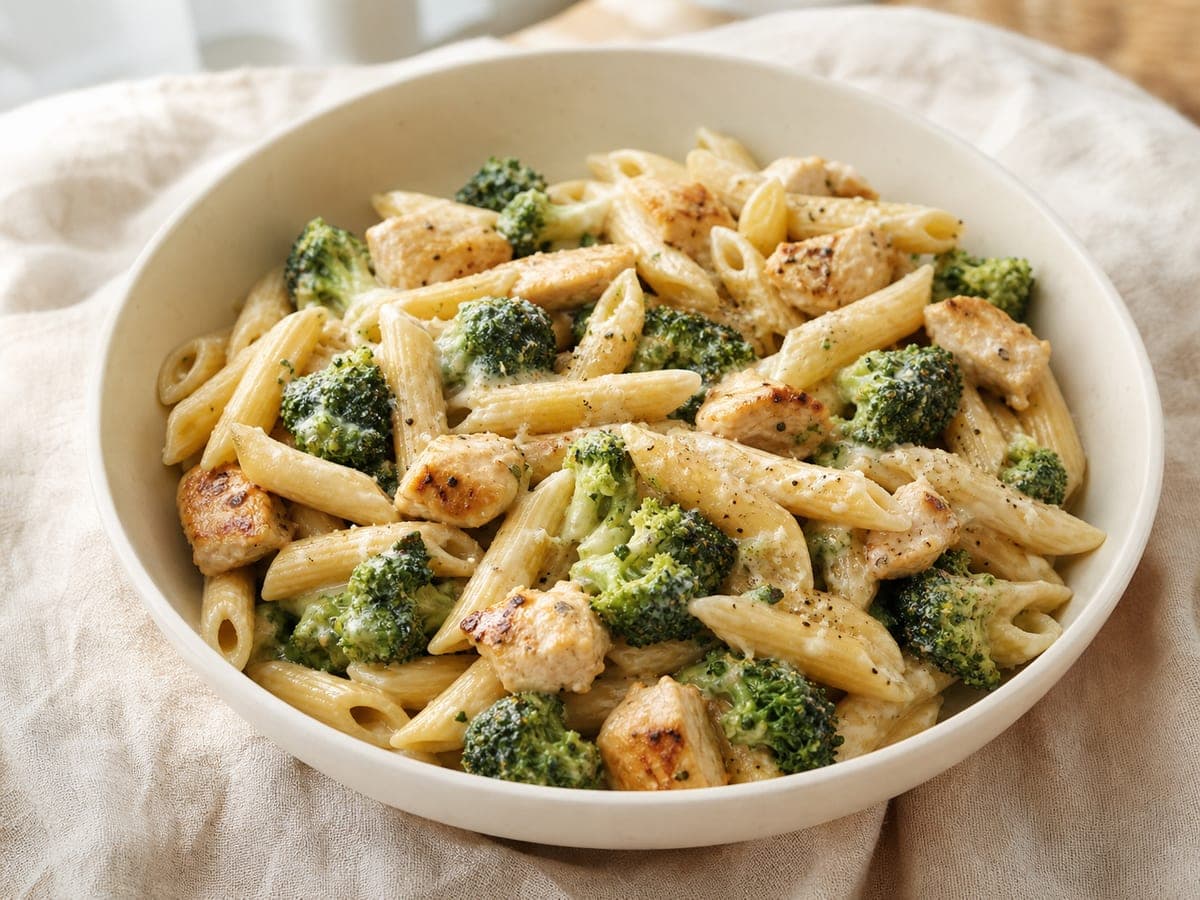
Recipes that use the techniques in this guide.